
How to Play TriPeaks Solitaire
The rules are simple. The real work is not breaking the live chain. TriPeaks gives you many legal moves, but the moves that matter are the ones that open the next row, read the waste top correctly, and delay the draw until it is actually worth 5 points.
Know these four rules as decisions
Only exposed peak cards play
A covered card cannot move. Only the cards left uncovered on the peaks can play onto the waste top, so every good move is really about what it exposes underneath.
One rank up or down
A playable card is exactly one rank higher or lower than the waste top. Ace wraps with King, so the ends of the rank line matter more than most players expect.
The stock runs once
When nothing plays, draw one card from the stock to reset the waste top. There is no redeal. Each draw costs 5 and breaks the streak, so every draw should buy something real.
Score comes from streaks and peaks
A live chain scores 1, then 2, then 3 and keeps climbing until you draw. Clearing the first two peaks adds 15 each, and the last peak adds 30.
Four ways players waste the order
What should I read first?
Start with the chain that opens the next covered card, then check whether Ace–King wrap extends it. That matters more than the move that only feels smooth on the surface.
When should I draw from the stock?
Only after every exposed card has been checked against the waste top, including Ace–King wrap. If you draw before that, you often pay 5 points to miss a live chain.
Why can a hand with many legal plays still lose?
Because legal is not the same as valuable. You can keep cashing easy cards on the surface while the card that actually opens the peaks stays buried.
When should I undo early?
Undo early if you just spent the only card that opened the next row, missed a live Ace–King wrap, or drew before reading the exposed cards properly. Many TriPeaks deals are lost before they look dead.
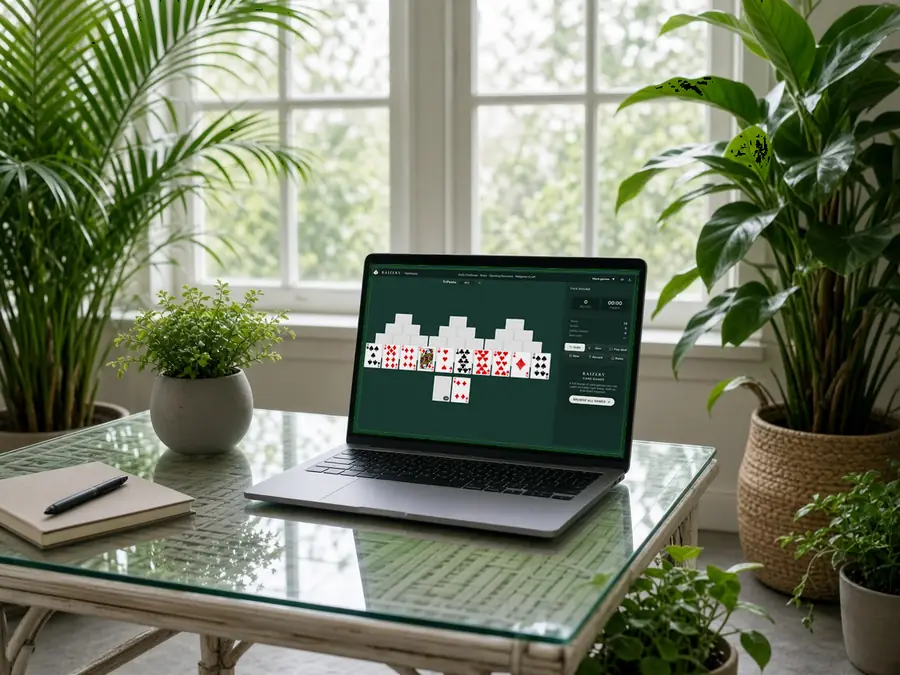
Open the next row first
The most valuable early play is usually the one that exposes another card, not the one that simply clears the easiest card in sight.
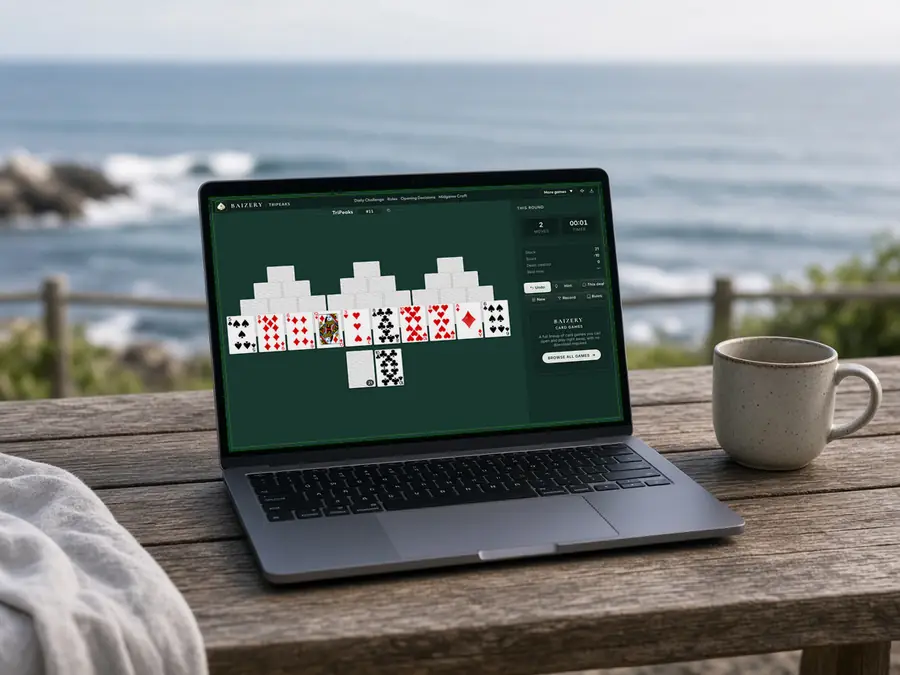
Sweep every exposed card before you draw
The most common TriPeaks leak is not ignorance. It is a missed card. Before every draw, sweep the exposed cards and the Ace–King wrap again.

Ace and King are not edge cases
Ace–King wrap is not a trivia rule. It often rescues a dying chain or opens a row that looked unreachable one move earlier.

A draw is never neutral
Every draw costs 5 and resets the streak. The question is not whether you are allowed to draw. It is whether the draw buys enough back.
Run through these six before you move
Open the Next RowDoes this play expose another covered card?
Read All Exposed CardsBefore you draw, have you checked every exposed card against the waste top?
Sweep the WrapIf the waste top is Ace or King, have you checked both ends?
Chain or ComfortDoes this play open the hand, or only take an easy point?
Is the Draw Worth 5If you draw now, what real route are you buying?
Leave Undo RoomIf this read is wrong, can you still reverse before the stock gets too thin?
TriPeaks Rules FAQ
What is the actual goal in TriPeaks?
Clear all 28 cards from the three peaks before the stock runs out. Emptying the stock is not the goal. It is the failure condition if the peaks are still standing.
Why do Ace and King connect?
Because this ruleset treats Ace and King as adjacent ranks. That single wrap rule often decides whether a long chain lives or dies.
Can the stock be recycled?
No. The stock runs once. That is why careless draws are so expensive in TriPeaks.
Why is Hint not always the best move?
Hint can show a legal card. It does not decide which legal card opens more of the peaks, keeps the streak alive longer, or saves the stock better.
Why do some hands feel alive and still miss by one or two cards?
Because you may be cashing surface cards while the deeper cards that matter never open in time. The loss often starts several draws before the end.
What is the best use of deal replay?
Replay one hand to test one decision: the early draw, the missed wrap, or the card that looked easiest but should not have gone first.
Read this, then play a hand
Keep two habits
Before each move, ask whether it opens the next row. Before each draw, ask whether every exposed card has really been checked. Those two habits solve a lot of tight hands on their own.
Where to go next
Read the opening guide, then the midgame guide, then go back home and play one hand with the same questions in mind.
