
TriPeaks Solitaire Opening
The opening is where TriPeaks feels easiest and loses the most value. The edge is not in taking quick points. It is in opening the next row first, reading the wrap correctly, and refusing to give away draw one for nothing.
Four opening priorities
Read which chain opens the next row
The opening starts with the chain that reveals the next covered card, not the chain that merely feels cleanest.
Sweep Ace–King wrap early
Many openings lose value because the edge card was never checked. When the waste top is Ace or King, scan both ends before anything else.
Easy is not always valuable
A long comfortable chain can still be the wrong start if it leaves the deeper row untouched.
The first draw should not be blind
A first draw is expensive because it costs 5 and resets the streak. If you cannot say what it is buying, it is probably early.
Ask these before draw one
Should I draw immediately?
Usually no. Read the exposed cards and the Ace–King wrap first. The most expensive opening mistake is not moving slowly. It is spending the first draw without a reason.
If several cards fit, which one should go first?
Prefer the card that opens the next row or makes the next read clearer. The easiest card is often only the easiest card.
How important is wrap in the opening?
Very. Many opening chains live or die on one missed Ace–King link. Checking the ends early often saves the first draw entirely.
What if the first draw still does not help?
Do not panic into another draw. Recheck whether the first draw changed the better opening line, and undo early if the previous waste top was spent too cheaply.
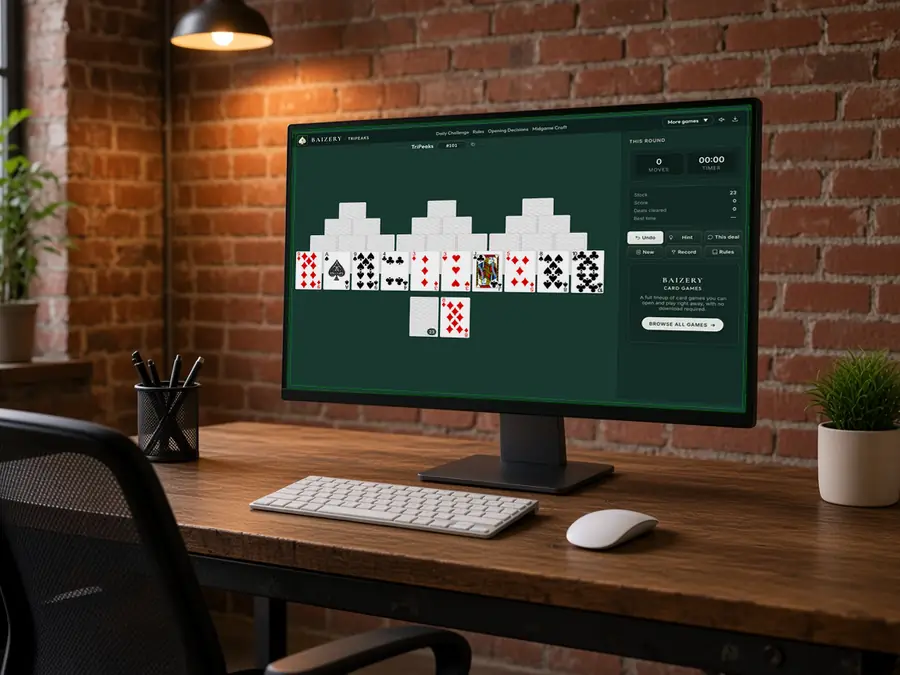
Open the layer that matters
The best opening line usually reveals another card. If it does not, ask whether you are just cashing comfort points.
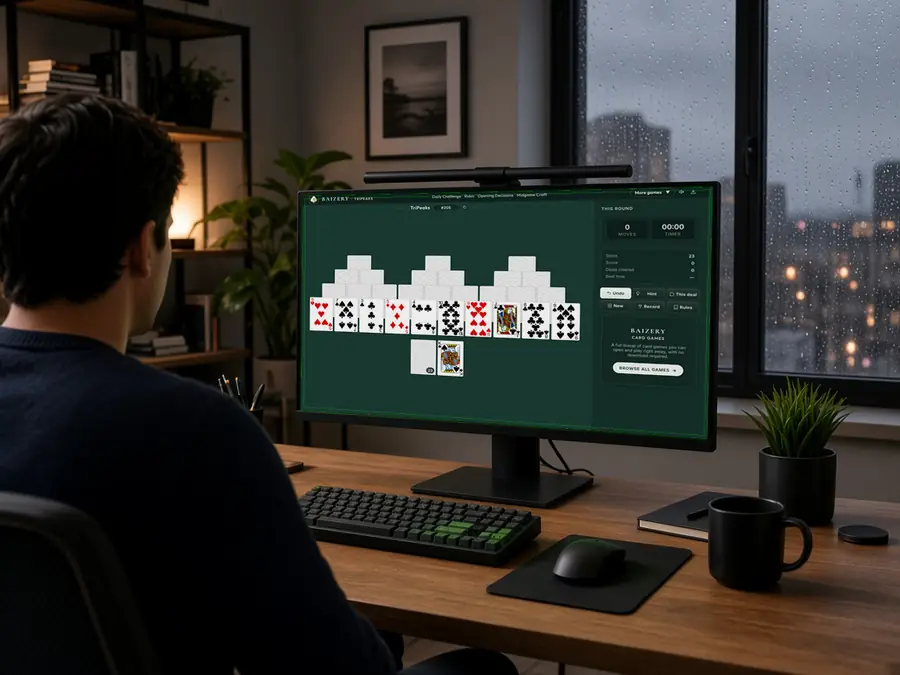
Check the wrap before you commit
Ace–King wrap can change the whole opening map. Missing it early often turns a strong start into a hand that suddenly needs a draw.

The first draw should be slow
As long as the exposed cards still need reading, the first draw is often just a tax on impatience.
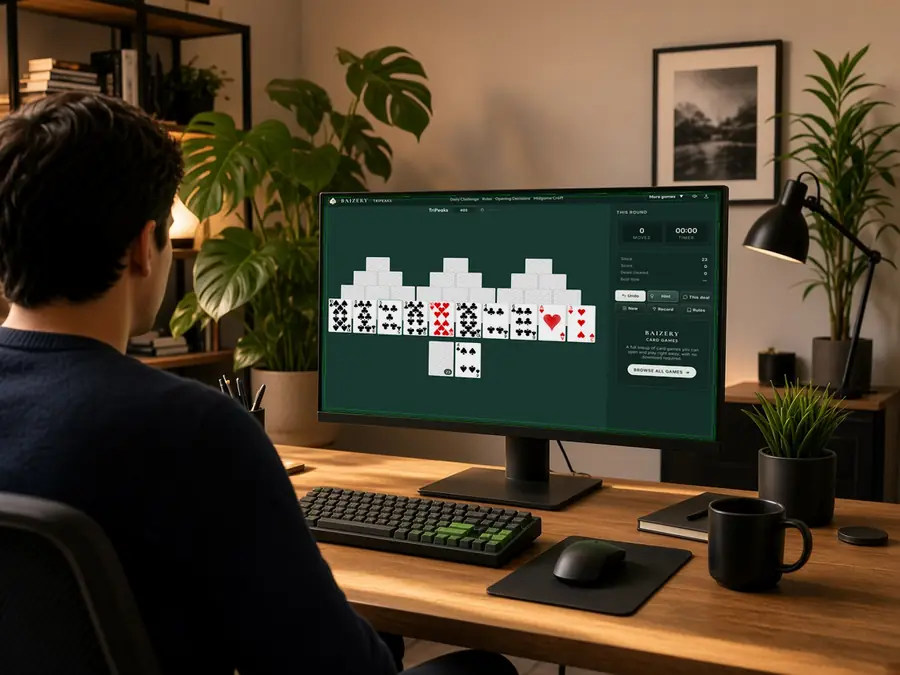
Replay to test the first read
The best opening review is not how many points you made. It is whether the first chain was right and whether the first draw came too early.
Six checks before the first line settles
Open the Next RowDoes this chain reveal another covered card?
Read the WrapHave Ace and King both been checked?
Easy or ValuableIs this the easiest card, or the best card?
Do Not Burn Draw OneIf you draw now, what specific route are you buying?
Waste Top Worth ItIf you spend this waste top now, does the next one improve the hand?
Undo Still HelpsIf the opening read is wrong, can you still reverse before the stock gets thinner?
Opening FAQ
What should I look at first in the opening?
Look first for the chain that opens the next row, then for the wrap that extends it.
Is the longest chain always the best opening?
No. If it does not expose another card, it may only be the nicest-looking move.
Is using Undo in the opening a bad sign?
No. Undoing one early missed wrap or one early draw is usually much cheaper than carrying the mistake through the whole hand.
Why is the first draw such a big deal?
Because it costs 5, resets the streak, and often makes players stop reading the exposed cards carefully.
What is the most expensive opening mistake?
Taking the easiest surface card first, then giving away the first draw because the better line was never read.
Carry it into the midgame
Keep the reveal habit
If a move does not open the next row, improve the next read, or save a draw, ask whether it is only making the surface prettier.
Next up
Once draw one and the first live chain are under control, read the midgame guide and then go play a hand.
